

A simple framework built on how children naturally learn
The Talk, Play, & Read method helps parents and educators support communication and early learning through intentional interaction built around three foundational actions: talk, play, and read.

What many of us were taught about early learning
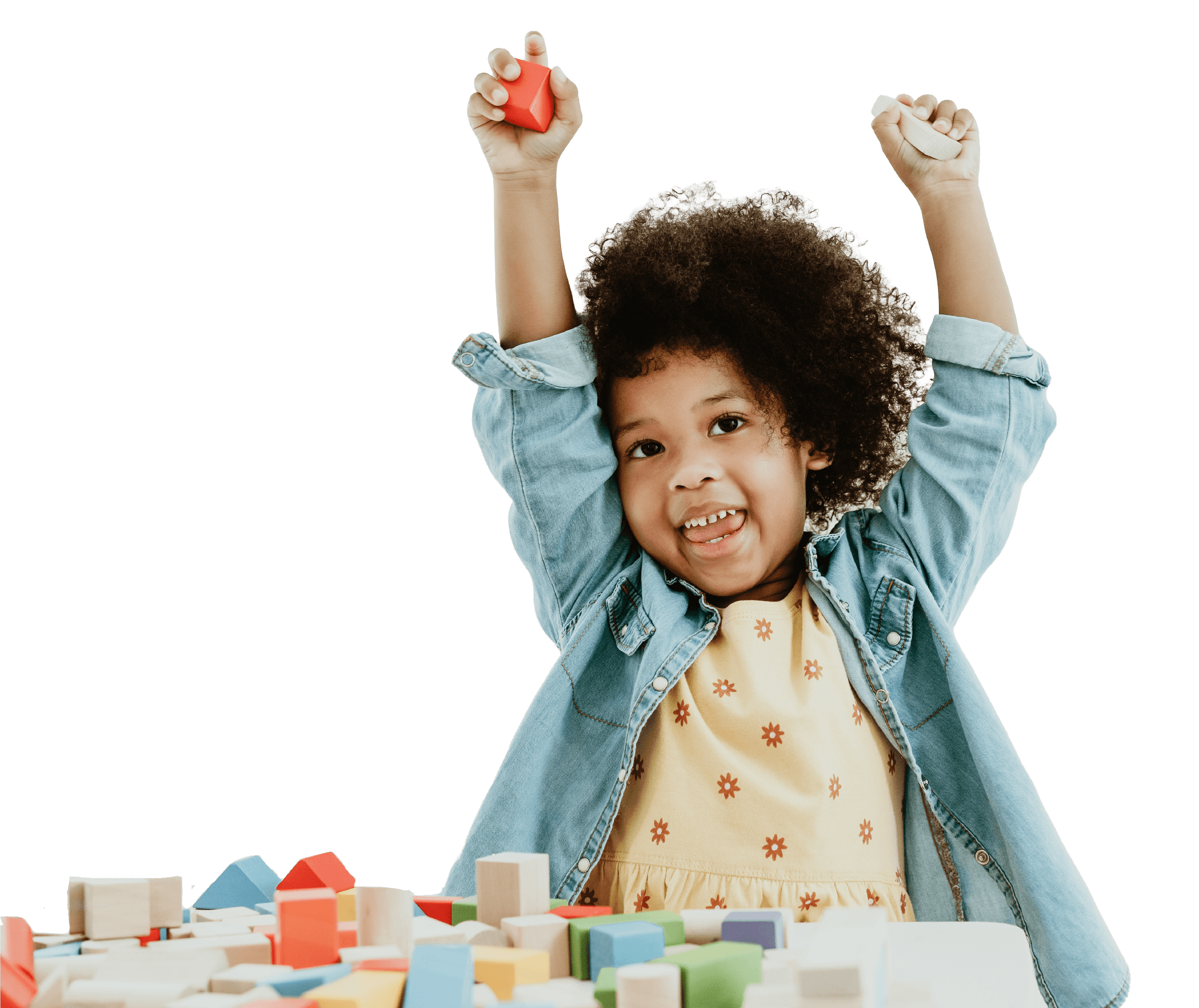
For years, early learning has often been framed as something structured, scheduled, and separate from everyday life.
Parents are encouraged to buy more programs, follow rigid routines, or add more activities to help their children succeed. It can feel as though, if you’re not doing enough, your child may fall behind.
Why interaction matters from the very beginning
In my work as a speech-language pathologist, I’ve seen how much early interaction shapes a child’s development.
Long before children ever sit in a classroom, they’re learning through everyday interactions. Through conversation, play, and shared attention.
Language doesn’t grow from being spoken at. It grows from being spoken with.
When a child is listened to, encouraged to respond, and invited into back-and-forth exchange, their brain is building the pathways needed for communication, confidence, and learning.
It isn’t about doing more. It’s about being responsive in the moments that are already happening.
Those early exchanges lay the foundation for literacy, attention, and social development later on.

Understanding the Behind Cycle
For many children, falling behind in communication and early learning begins long before it’s noticed, and without support, that gap continues to grow.
Over time, I began to see a pattern.
Many of the children I worked with were already struggling by the time they entered school. They were behind in language, behind in confidence, and often already frustrated.
What concerned me most was that these challenges did not begin in the classroom. They began much earlier.
When children do not experience consistent back-and-forth interaction in their early years, gaps can quietly grow. Limited language leads to less participation. Less participation leads to less confidence. That lack of confidence can then affect learning across the board.
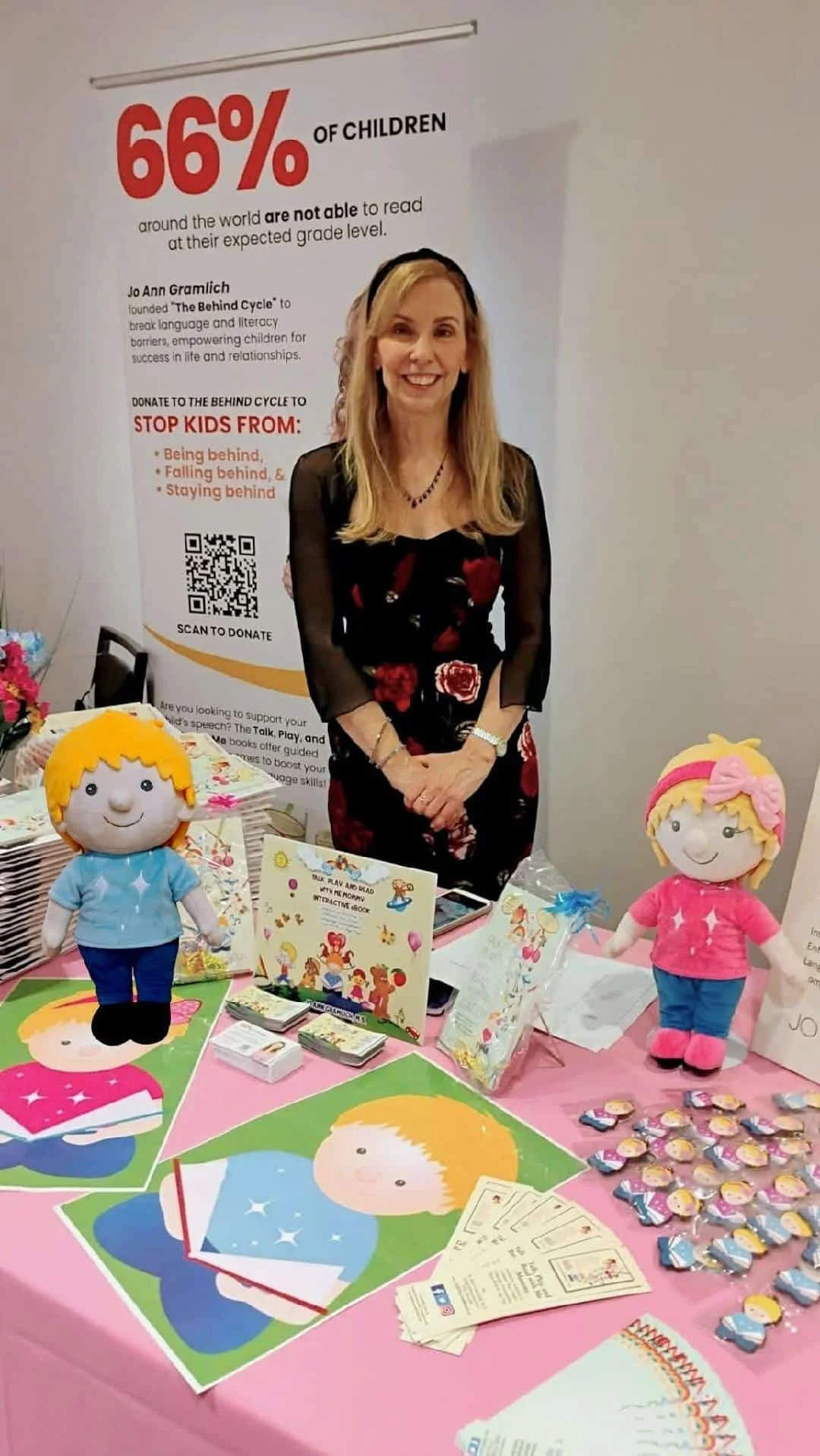
I began to think of this pattern as the Behind Cycle.
The cycle does not start because parents do not care. It often starts because families simply do not have clear, practical guidance on how powerful early interaction truly is. The cycle can be interrupted.
When children experience responsive conversation, playful engagement, and shared reading from the beginning, they build stronger foundations that carry into school and beyond.
What this looks like day to day
The Talk, Play, & Read method does not require new programs or complicated routines. It is about shifting how you use the time you already have.

TALK
Expanding on your child’s words. Asking open-ended questions. Waiting for their response.

PLAY
Following their lead. Turning pretend play into conversation. Building language through imagination.

READ
Pausing during stories. Asking what they notice. Letting them participate instead of just listening.
Who this approach is for
The Talk, Play, & Read method supports the adults who shape a child’s earliest learning experiences.
Parents and caregivers
Expanding on your child’s words. Asking open-ended questions. Waiting for their response.
Educators and early learning professionals
Who see communication and interaction as the foundation of literacy and school readiness.
Schools and learning communities
Looking for research-informed strategies that are easy to implement and sustainable over time.
The Talk, Play, & Read method draws from research in:
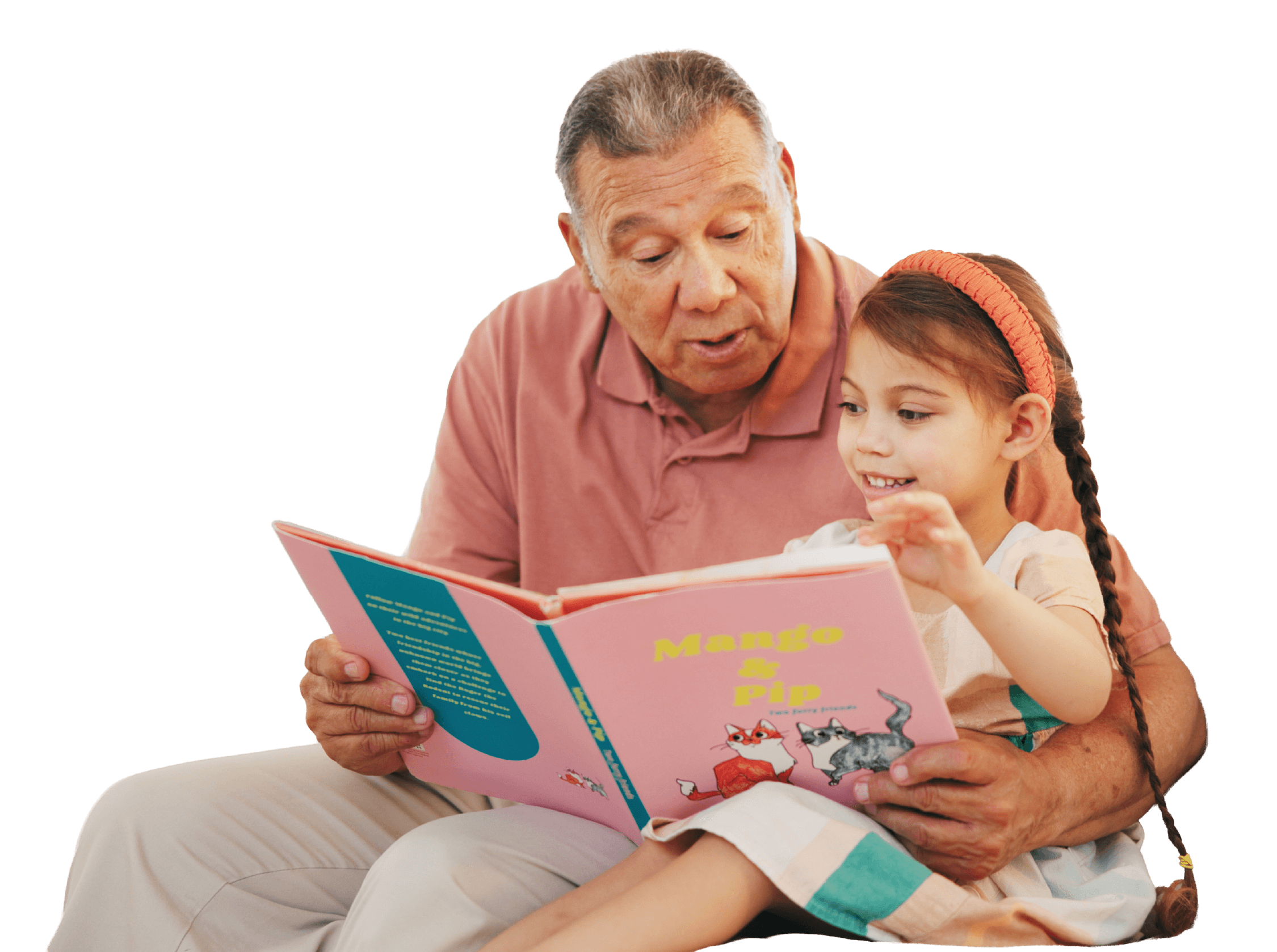
Early language acquisition
Responsive caregiving and serve-and-return interaction
Emergent literacy development
Social and emotional foundations of learning
consistent interaction supports:
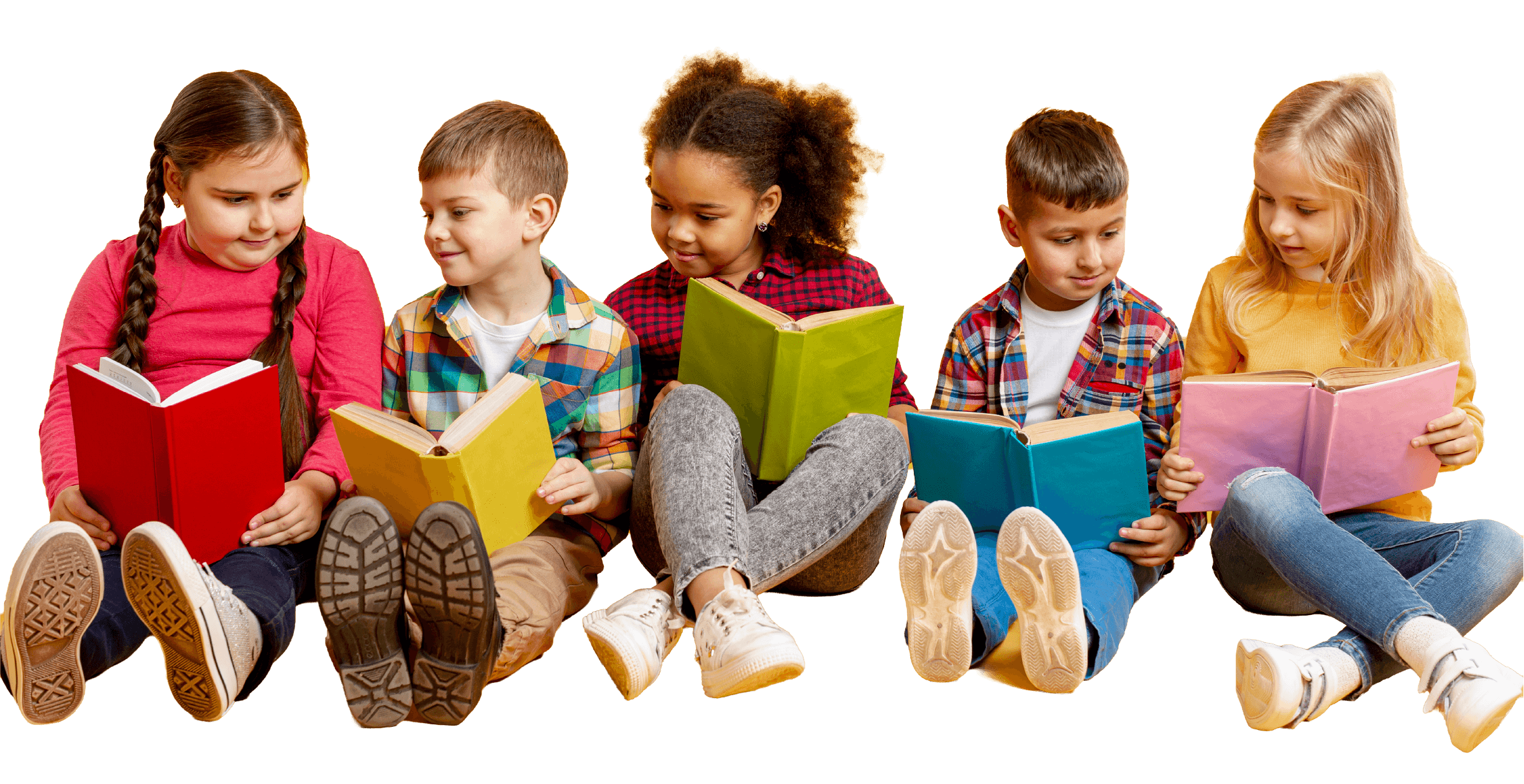
Combined with years of clinical experience, the method translates research into practical strategies families and educators can use with confidence.

In practice. In classrooms. In homes.
The Talk, Play, & Read approach is used by families, educators, and learning communities who value connection as the foundation of communication.
Bringing the method to life
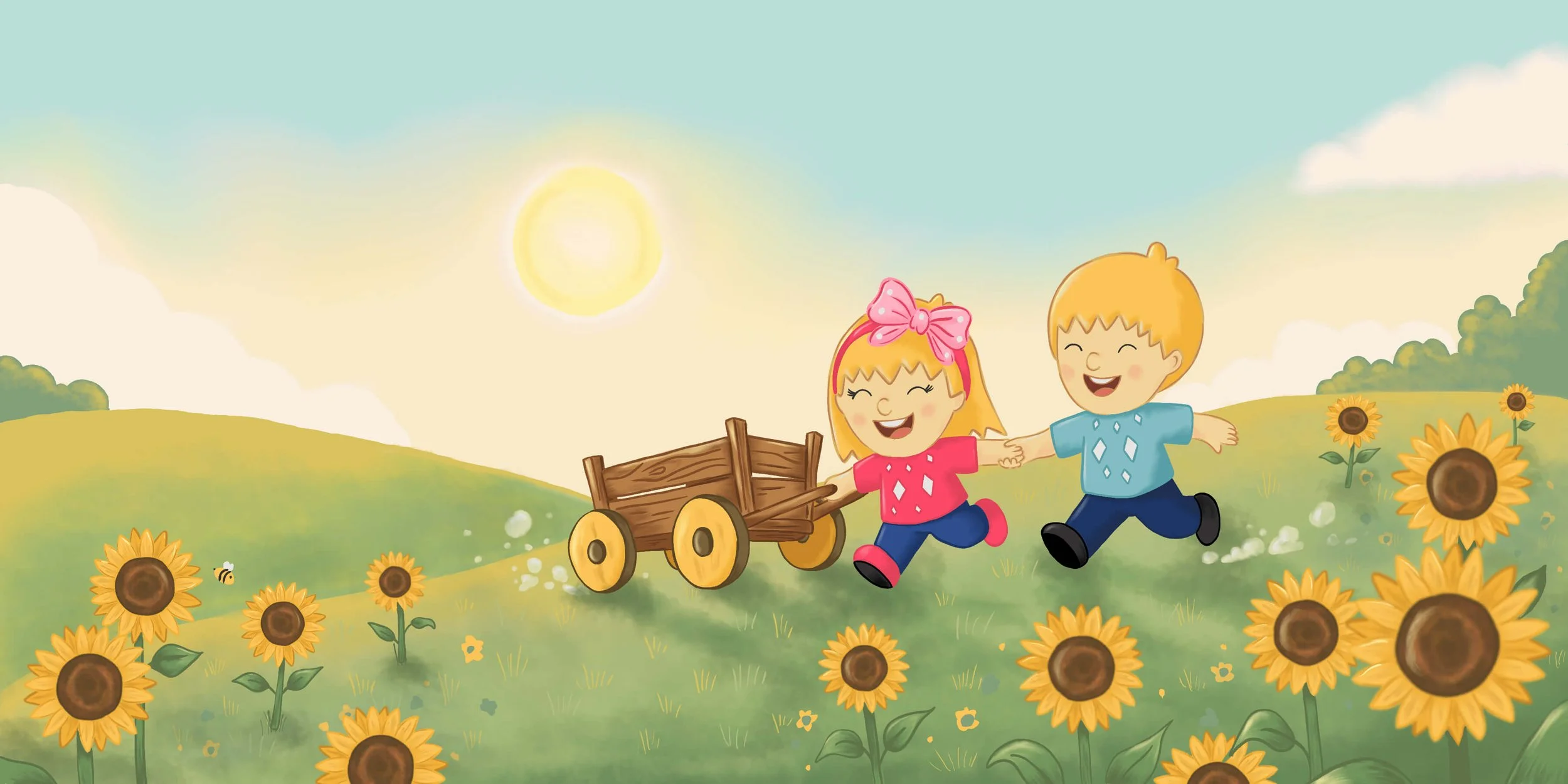
Ruby & Louie were created to extend the Talk, Play, & Read approach beyond instruction and into imagination.
Through stories, characters, and shared interaction, they help children stay engaged while reinforcing the same principles of conversation, play, and responsive reading.
The world of Ruby & Louie makes the method tangible, approachable, and child-centered.
THE RUBY & LOUIE BOOK SERIES IS COMING SOON
Put the Talk, Play, & Read approach into practice
Explore the books that help families and educators bring this approach into everyday interactions.
HELP CHILDREN AND THEIR FAMILIES THRIVE
Our goal is to empower children with the skills they need for academic success and inspire them to reach their fullest potential. Through our donation program, we offer support to families and communities, helping children catch up and thrive.